What a cut sheet is
A cut sheet is a short product document, usually one or two pages, made by the manufacturer. It shows a single product or product family with its description, key specifications, dimensions, mounting or installation details, finishes and ordering codes.
The name goes back to printed catalogs. Contractors used to cut the relevant page out of a manufacturer's catalog and attach it to their paperwork. The paper catalogs are mostly gone, but the name stayed. Today a cut sheet is almost always a PDF that someone downloads from the manufacturer's website.
Who uses cut sheets
- Contractors collect cut sheets for every product they plan to install and send them for approval. This package is called a submittal.
- Architects, engineers and specifiers review those submittals to check that each product meets the project specification: size, rating, finish, certification.
- Distributors and sales reps send cut sheets to customers when they quote.
- Facility managers keep them on file for maintenance and replacements.
So the reader is usually technical, busy and comparing your product against a written requirement. A cut sheet that makes the answer easy to find gets approved faster. One that hides it gets sent back with questions, or swapped for a competitor's product.
What to include in a cut sheet
Most good cut sheets follow roughly this order:
- Product name, model or catalog number and a one-line description.
- A clear product image, photo or render.
- Key features in short lines, not paragraphs.
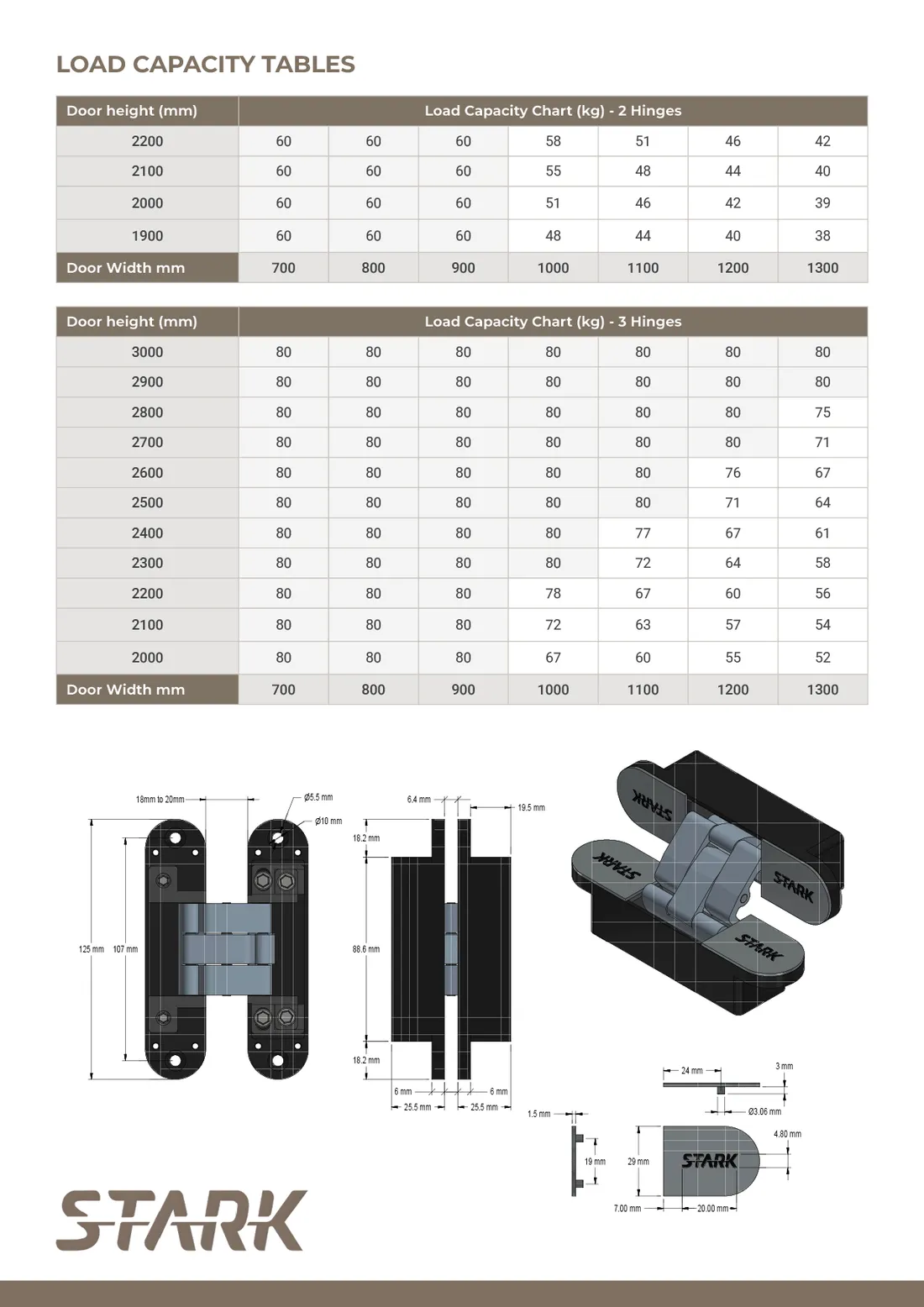
- Specifications grouped in tables: electrical, mechanical, materials, environmental.
- Dimensions as a drawing with measurements, in metric and imperial if you sell in North America.
- Mounting or installation options.
- Ordering information: how the part number is built from options such as size, colour, voltage or finish.
- Certifications and listings such as UL, ETL, CE, IP rating or Energy Star.
- Document details: revision number, date and website.
Many cut sheets also leave a small "Project / Type / Approved" box near the top. The contractor fills it in when they add the sheet to a submittal. It costs you a few square centimetres and saves them time.
Cut sheet vs spec sheet vs datasheet
These three names overlap a lot, and different industries use them differently:
| Term | Where you hear it | What it usually means |
|---|---|---|
| Cut sheet | Construction, lighting, electrical, HVAC, plumbing (mainly US) | Manufacturer's product sheet used in submittals |
| Spec sheet | Most industries in North America | Same idea: one product and its specifications |
| Datasheet | Europe, electronics, industrial equipment | Product specifications, often more detailed |
| Technical data sheet (TDS) | Chemicals, coatings, adhesives, building materials | Performance and application data for a material |
In practice, if a customer asks you for a cut sheet, a spec sheet or a datasheet, they want the same thing: one clear document about one product. Some architects use "specification" for the written project requirement and "cut sheet" for the product sheet that answers it. That is the only distinction worth knowing. My glossary of product document names covers the other terms you will run into.
Lighting cut sheets
Lighting is where cut sheets matter most. A luminaire cut sheet usually adds:
- Photometric data: lumens, efficacy, colour temperature, CRI, beam angle, and often a polar curve.
- Electrical data: input voltage, wattage, driver type, dimming options.
- Mounting types: recessed, surface, pendant, track, with cut-out sizes.
- An ordering code table that builds the catalog number from series, lumen package, CCT, optic, finish and options.
- Listings: UL or ETL, DLC, IP and IK ratings, emergency options.
The ordering code table is where most lighting cut sheets go wrong. If a contractor can't build the right part number from your sheet, they call your sales team or pick another brand. Lay it out as a left-to-right row of boxes with the options under each, and show one complete example code.
Equipment cut sheets
For mechanical and electrical equipment such as pumps, fans, panels, valves and filtration units, an equipment cut sheet focuses on:
- Performance data: capacity, flow, pressure, power, efficiency, often with a performance curve.
- Connections and clearances, so the installer knows what fits where.
- Weights, materials and operating limits.
- Accessories and options with their own part numbers.

Other meanings of "cut sheet"
If you landed here looking for something else, the term has a few unrelated uses:
- Surveying and site work: a cut sheet lists how much soil to cut or fill at each stake.
- Butchery: a beef or pork cut sheet tells the butcher how to cut and package an animal.
- Printing: cut sheet paper is individual sheets, as opposed to rolls or continuous forms.
This guide is about the product document.
How to make a cut sheet that gets approved
- Lead with the model and a one-line description. A reviewer should know within two seconds that they are looking at the right product.
- Put the deciding numbers near the top. For a light fitting that might be lumens, wattage, CCT and IP rating. For a pump, flow, head and power.
- Use one table style for the whole range, with consistent units and decimals. Inconsistent tables make engineers doubt the data.
- Show both metric and imperial if you sell in the US.
- Keep it to one or two pages. Longer documents belong in an installation manual or catalog.
- Add a revision number and date. Submittals get rejected when the sheet does not match the product that arrives on site.
- Design one template for the whole range. Fifty products should look like one family, which also makes each new sheet faster to produce.
I design cut sheets, spec sheets and datasheets for lighting, electrical and industrial manufacturers. If your current sheets are hard to read or inconsistent across the range, see my datasheet and spec sheet design service. Send your existing PDFs and I'll rebuild them on one clean template, keeping every spec.