The short answer
A datasheet informs. A sell sheet persuades. A brochure tells the story. Most industrial companies need all three eventually, but not all at once.
| Datasheet | Sell sheet | Brochure | |
|---|---|---|---|
| Main reader | Engineer, specifier, buyer | Prospect, buyer, distributor | New prospect, decision maker |
| Job | Answer technical questions | Make the case for one product | Introduce a range or company |
| Length | 1 to 2 pages | 1 to 2 pages | 4 to 24 pages, or a fold |
| Content | Full specifications, drawings, certifications | Benefits, proof, a few key specs, call to action | Story, applications, photos, range overview |
| Used | Website downloads, quotes, tenders | Sales visits, trade shows, email | Trade shows, first meetings, mailings |
The datasheet
A datasheet is reference material. It is read by someone who already knows roughly what they want and needs to check that your product fits: dimensions, ratings, materials, operating conditions, certifications. It should be accurate, complete and easy to scan. Marketing language is mostly out of place here.
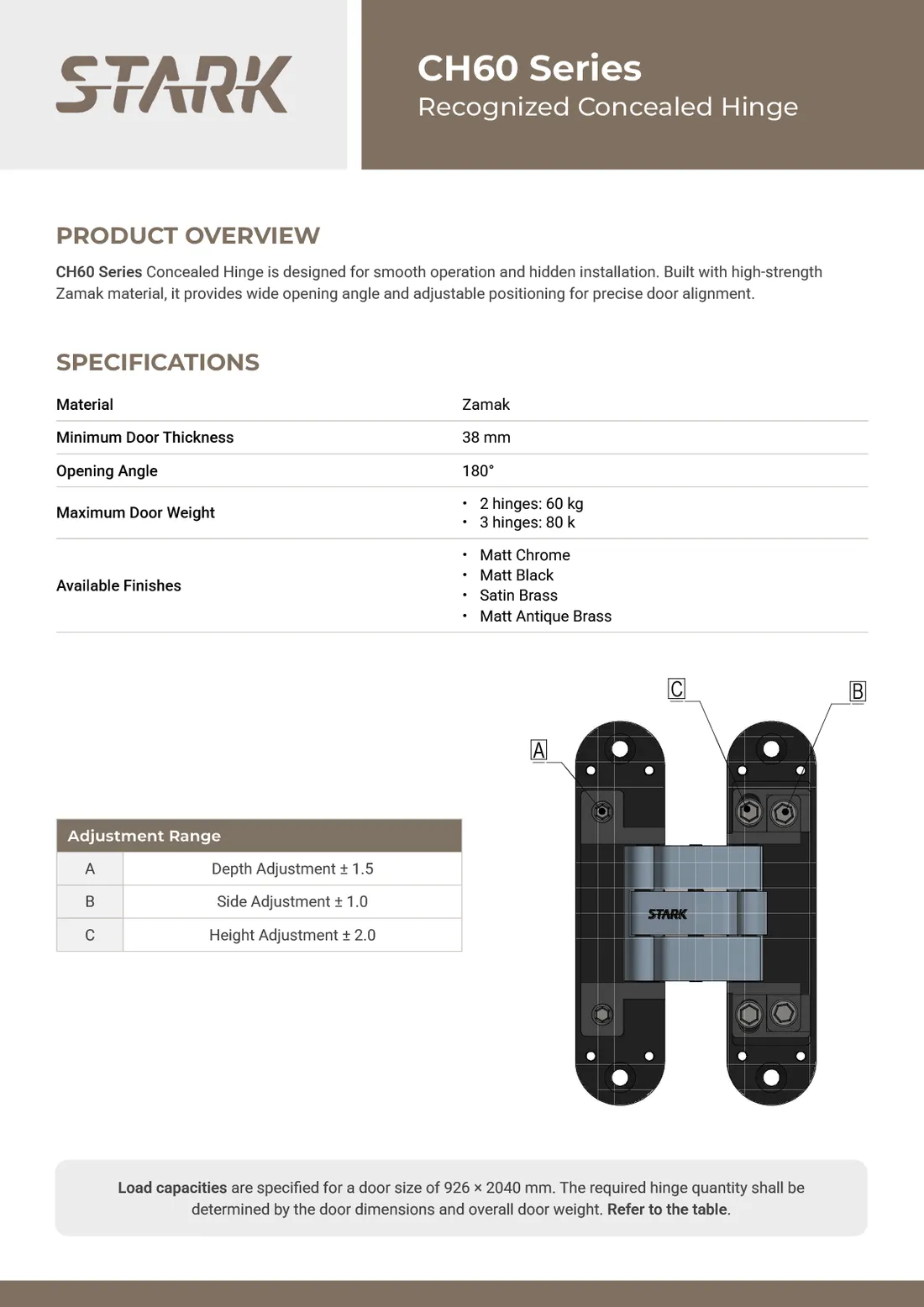
If you only make one document for a product, make this one. Without it, technical buyers have nothing to approve. My guide on how to design a technical datasheet covers the structure in detail.
The sell sheet
A sell sheet is a sales tool. It is the page a rep leaves behind after a meeting, hands out at a trade show or attaches to a follow-up email. It leads with what the product does for the customer, backs each claim with a number or feature, and ends with a clear next step.
The most common mistake is turning a sell sheet into a datasheet by adding every specification. Keep it to the few specs that qualify the product and link to the full datasheet for the rest.
The brochure
A brochure introduces a range, a system or a company to someone who doesn't know you yet. It has room for photos of the product in use, applications, the story behind the design and an overview of models. It should make the reader want to ask for the datasheets, not replace them.

Which one should you make first?
- You sell technical products through quotes or tenders: start with datasheets.
- You have a sales team or distributors pitching one hero product: a sell sheet, backed by a datasheet.
- You are launching a range or exhibiting at a trade show: a brochure, with datasheets available for each model.
Whatever you start with, design it so the next document can share the same colours, type and layout rules. A set that looks like it belongs together makes a small company look established.
What about a catalog?
A catalog is the right choice when you have many products and buyers need to compare them. Think of it as many short datasheets on one consistent system, with navigation so readers can find a model fast. See product catalog design for how I approach them.